Fenix 8 is the SpO2 watch for altitude, because the listing itself names Pulse Ox and says the data is not a medical device. This card is the 47mm AMOLED model, so do not borrow the MIP battery line.
Fenix 8 is the oxygen pick when the trip gains height. The product text on this listing groups Pulse Ox with respiration tracking and then says this is not a medical device. It also says Pulse Ox is not available in every country. Read that before you travel. A wellness percent at a hut is not a diagnosis of altitude sickness.
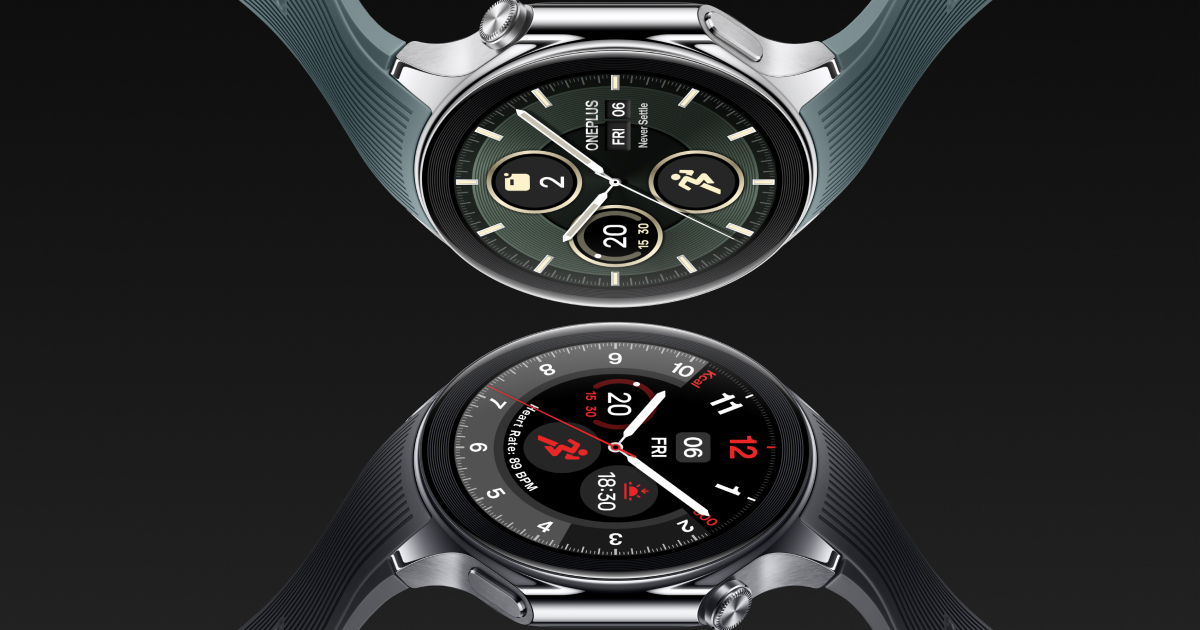
This card is the 47mm AMOLED model with a speaker and a flashlight in the title. The 47mm figure is the case across the wrist. Other Fenix 8 sizes are 43mm and 51mm. The record lists about 80 grams. You feel that weight on a long day. Water resistance is 10 ATM, and the title says dive-rated. That has nothing to do with whether the oxygen number is clinically true.
You can spot-check Pulse Ox, sample it in sleep, or leave it running. All day is the mode that helps on a climb and the mode that cuts battery hardest. The multi-week smartwatch number people repeat is the MIP screen. This listing is AMOLED. GPS plus an always-on oxygen sensor shortens the day again. Charge before the part of the trip where you care about the trend.
If you feel sick at altitude, headache, nausea, confusion, the watch is not the decision. Descend and get help. The sensor also fails when you are cold, moving, or wearing the band loose. Those are normal mountain conditions, so expect gaps.
How SpO2 is used
Pulse Ox estimates blood oxygen with light in the wrist. On a climb, glance at it while you are still, or review the sleep log in the tent. Garmin can also keep a more continuous log. Continuous is a battery choice, not a promise of lab accuracy.
Sleep and altitude trends
Sleep shows a baseline before you go high. Altitude is why this watch outranks the everyday Venu. As you go up, the percent can drift. Use that drift as context next to how you feel, your pace, and your sleep. It does not clear you to keep climbing.
Limits of wrist readings
The listing already says the data is not for medical use. Cold fingers, a tight fist, motion, and some tattoos block the optical sensor. One bad sample at a windy col is noise. A pattern across two sleeps is the only wrist view worth discussing with a doctor.
Versus the Forerunner 965, Fenix is the heavier, tougher case with Pulse Ox named on this AMOLED listing. The Forerunner is the lighter 47mm running watch, about 53 grams, with the same idea of sleep and altitude trends.
Versus the Venu 3, Fenix is the climb tool. Venu is the 45mm everyday watch whose battery is about 14 days if you do not run Pulse Ox all day.
Versus Galaxy Watch 7, Fenix is the altitude Garmin. Watch 7 is the 40mm Samsung sleep check with about 40 hours of ordinary battery.
Who should skip
Skip it if you wanted the MIP battery story, a light running watch, or a medical meter. Also skip it if Pulse Ox is blocked in your country. The listing warns about that. A 43mm or 51mm case is not the watch this card links.